Building Trust Through Engineering Excellence
The Institute of Engineering Rwanda (IER) is a professional body established under Law No. 26/2012 of 29/06/2012, and later amended by Law No. 023/2025 of 01/09/2025, which governs the engineering profession in Rwanda. The Institute brings together a community of engineering practitioners, playing a vital role in promoting professional standards, ethical practice, and capacity development within the engineering sector
Senior & Graduate Technologists
We register Technologists from all engineering disciplines.
Read RequirementsOur Core Mandate
We are dedicated to maintaining the highest standards in engineering practice through rigorous registration, continuous professional development, and enforcement of the code of ethics.
Set and Enforce Professional Standards
Develop, monitor, and enforce professional codes, standards, and ethical practices that govern the engineering profession.
License and Regulate Engineers
Register qualified practitioners, issue and withdraw licenses to practice, and ensure compliance with national laws and standards.
Protect and Represent Engineers
Advocate for the rights, welfare, and professional interests of registered members while safeguarding the integrity of the profession.
Build Professional Capacity
Provide CPD, training, mentorship, and skills enhancement to strengthen technical and professional competence.
Support Engineering Education
Participate in the development and validation of engineering curricula and training programs to ensure relevance and quality.
Ensure Public Safety & Compliance
Participate in the inspection of construction works to ensure compliance with national building codes and safety standards.
Latest News
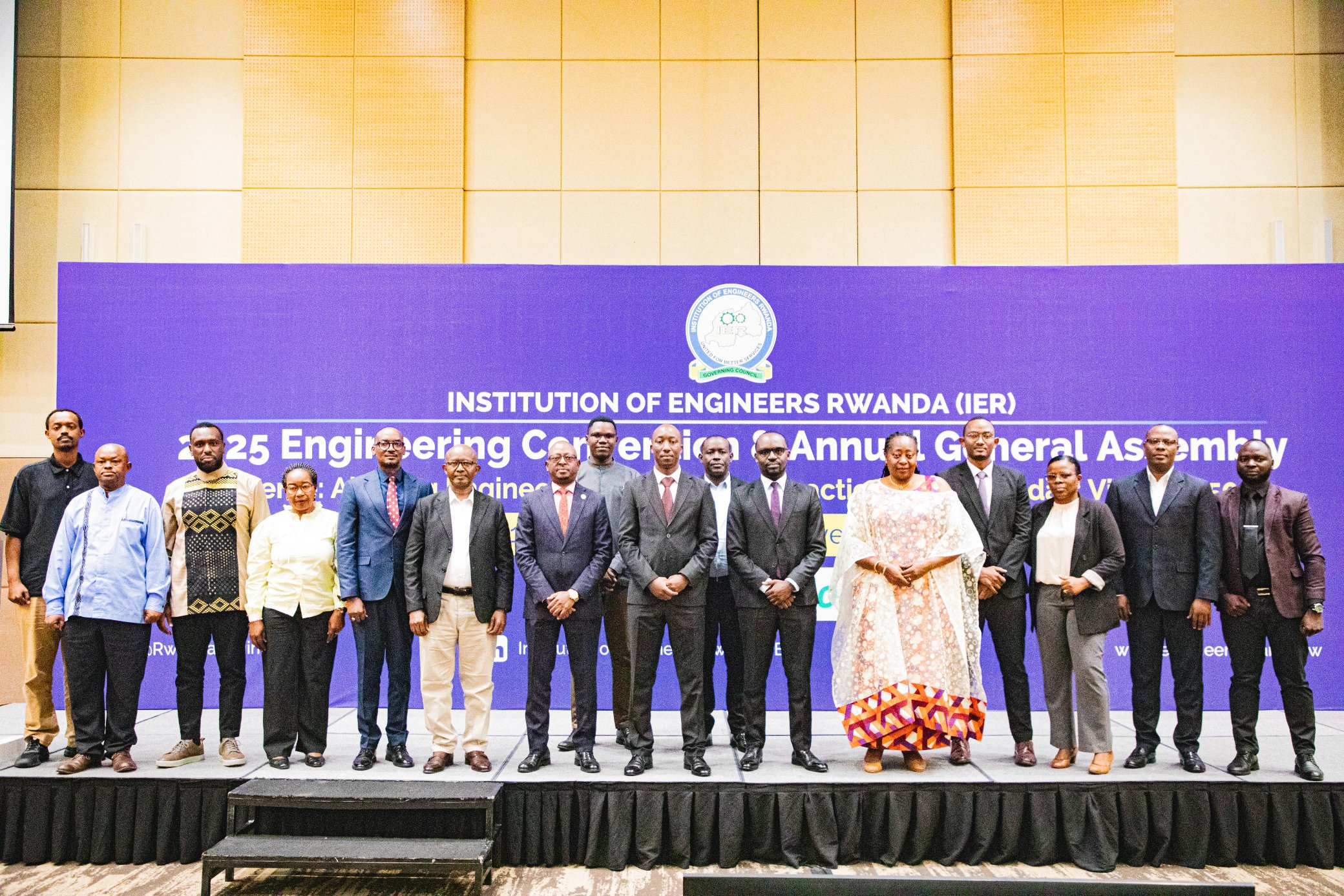
Aligning professional practice with Vision 2050 at the Engineering Convention
As Rwanda accelerates toward its Vision 2050 goals, engineering professionals are reassessing how their professional practice must evolve to match the country’s rapid development trajectory. These reflections took centre stage on December 16 during the 2025 Engineering Convention and Annual General Assembly, organized by the Institute of Engineers Rwanda (IER) under the theme “Aligning Engineering Professional Practice with Rwanda’s Vision 2050.” The convention brought together engineering professionals, policymakers, private sector leaders, academia, and development partners to take stock of progress made so far, while examining how infrastructure delivery, digital transformation, and innovation can be more closely aligned with national priorities. Beyond routine professional matters, the forum is expected to shape national conversations on the implementation of the National Master Plan, the growing influence of artificial intelligence in engineering practice, and the need for stronger leadership and entrepreneurship within the profession. In his keynote address, the Minister of Infrastructure, Jimmy Gasore, framed the discussion around the gap that often exists between national ambitions and actual delivery on the ground. He noted that while Vision 2050 and the National Master Plan provide a clear strategic direction, it is engineering professionals who translate policy into functional infrastructure through design, execution, and long-term maintenance. “The decisions made and discussed here, especially in infrastructure and the built environment, will shape the country’s competitiveness and quality of life for decades,” Gasore said. “A vision only matters when it is translated into action. Engineering professionals are not just implementers; they are the designers and custodians of the future we are building.” The minister underscored the growing importance of quality, safety, and sustainability, stressing that how infrastructure is built is just as important as what is built. He encouraged engineering professionals to uphold professional standards, embrace digital tools such as data analytics and artificial intelligence, and strengthen their role in innovation and entrepreneurship. The conversation on digital transformation was reinforced by Eraste Rurangwa, Permanent Secretary at the Ministry of ICT and Innovation, who highlighted how emerging technologies are reshaping engineering practice. He pointed to the increasing use of artificial intelligence, data systems, and smart technologies across infrastructure, energy, agriculture, and urban development. “These tools can significantly improve efficiency, resilience, and decision-making,” Rurangwa said. “Every system we design today shapes how communities will live and interact for years to come. Technology must be applied responsibly, with trust, safety, and accountability at the centre.” He cautioned that innovation must go hand in hand with ethical practice, urging engineering professionals to align technological adoption with national priorities while safeguarding public interest, privacy, and long-term sustainability. From policy to personal responsibility For many practicing engineers, the convention was less about policy declarations and more about individual responsibility. Engineer Peace Liliose Buto said the discussions challenged participants to think beyond technical drawings and consider entrepreneurship, sustainability, and innovation as integral to their professional role. “The conversations made me reflect on how I can personally contribute to Vision 2050, especially by pushing sustainability in the projects we work on,” she said. Engineer Eric Rujugiro described the gathering as a critical space for understanding the country’s long-term direction and the expectations placed on the profession. “We learn where the country is heading and what is expected from us as engineers,” he said. “It helps us identify where we need to improve and which skills we must be prepared with for the future.”
Read Full Story →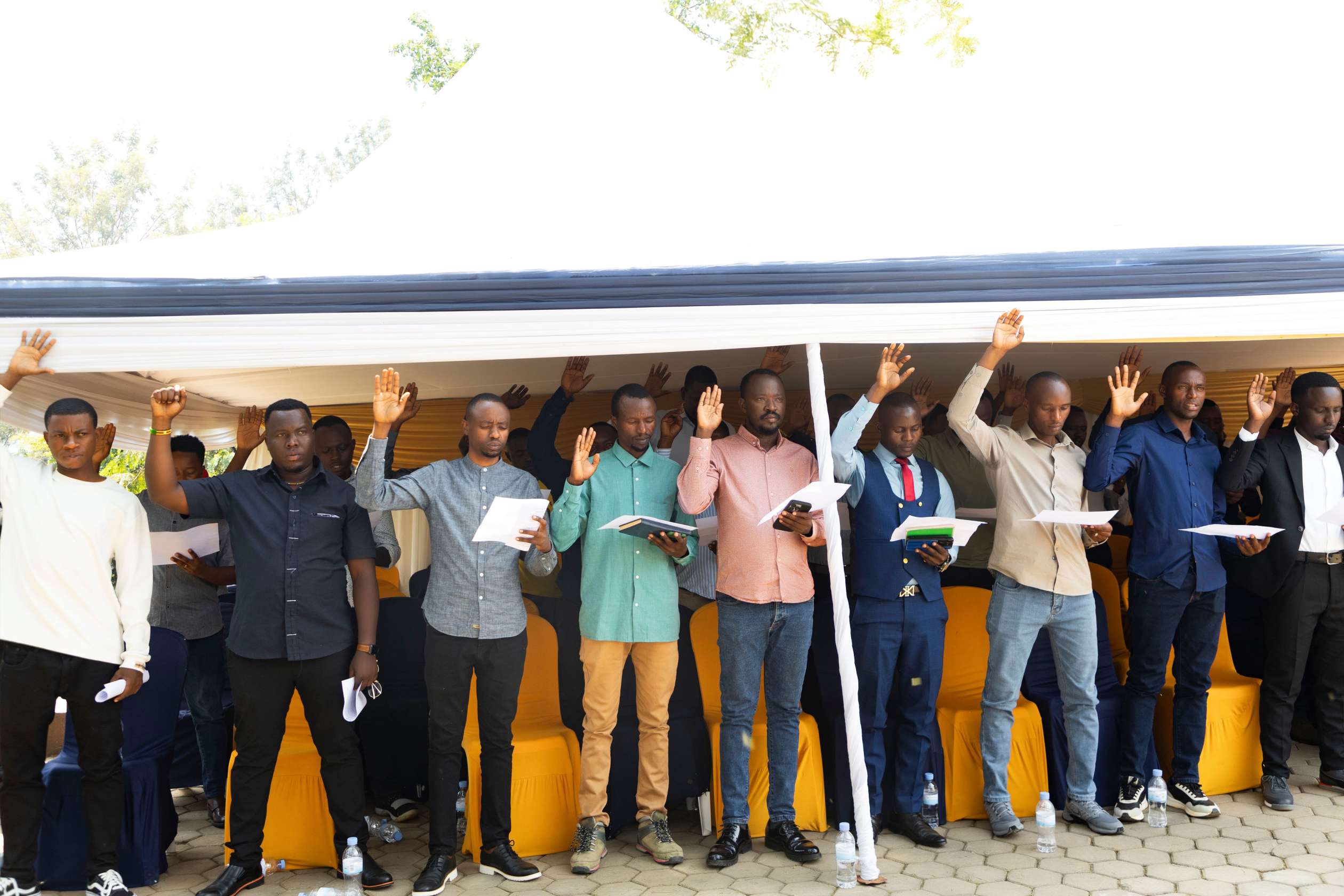
Rwanda enacts new law governing engineering profession
Kigali, November 2025 - The Government of Rwanda has enacted Law No. 023/2025 of 01/09/2025 governing the engineering profession, repealing Law No. 26/2012. This new legislation provides a strengthened legal and institutional framework for regulating and promoting professional engineering practice in Rwanda. The law reinforces the importance of professionalism, accountability, and integrity in the engineering sector. All engineering professionals are required to be registered and licensed by the Institute of Engineers Rwanda (IER). It is prohibited for any individual or organisation, public or private, to employ or engage unregistered persons in engineering duties. Likewise, no individual or firm may identify themselves as an Engineer, Technologist, Technician, or Consulting Firm without valid registration, a unique identification number, and an active practicing license issued by IER. Steven Sabiti, the Executive Secretary/CEO of the Institute of Engineers Rwanda (IER), said the enactment of the new law marks a turning point in the professionalisation of the engineering sector. “This law reinforces the responsibility we all share in safeguarding the integrity and safety of engineering practice in Rwanda...we urge members of the public to always engage only registered and licensed engineering professionals when undertaking construction or infrastructure projects. “Using qualified professionals guarantees quality, safety, and accountability of practitioners.” He added: “We also call upon all practitioners to comply with the provisions of this new law by ensuring they are duly registered and licensed. This will help maintain high professional standards and protect the reputation of the engineering profession in Rwanda.” The public and private sectors, as well as all stakeholders, are urged to verify professionals through the official IER registry, available at www.engineersrwanda.rw
Read Full Story →Key Videos
Featured Video
International Affiliations
We foster engineering excellence through international affiliations, global standards alignment, and cross-border professional collaboration.




Partners & Stakeholders
View All Partners →We collaborate with partners and stakeholders to advance shared goals, strengthen impact, and support sustainable professional development.














Need to Verify a Professional?
Use our public registry to verify the status of any engineer or engineering firm operating in Rwanda. Ensure your project is in safe hands.